

How to Use AI to Build Adaptive Game Mechanics That Respond Intelligently to Player Behaviour
- May 19, 2026
- Posted by: info@seven.net.in
- Category: AI Certification
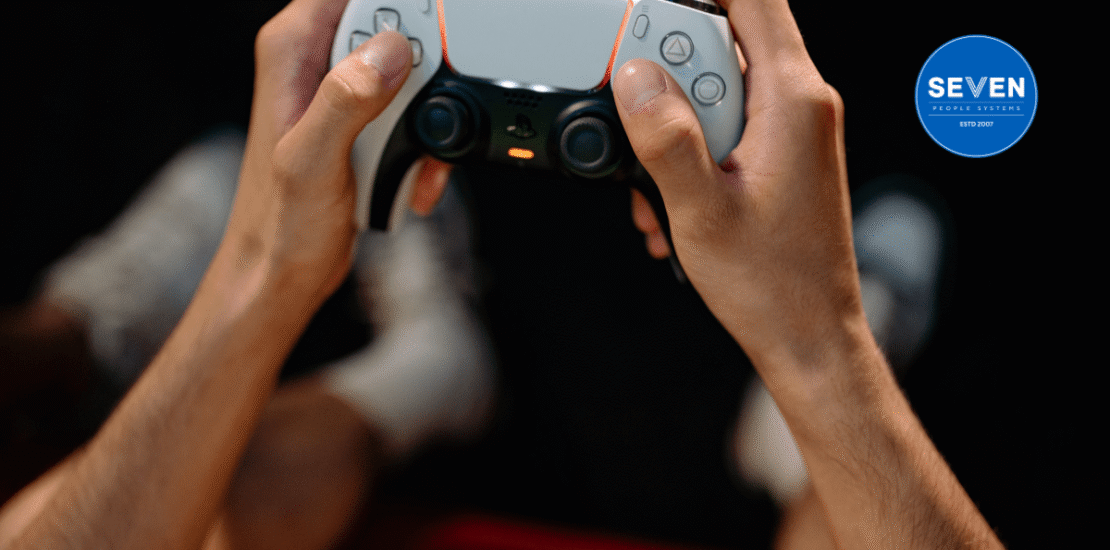
Across India’s fast‑growing gaming hubs in Mumbai, Bengaluru, Delhi, Pune, Hyderabad, Chennai, and Gurugram, studios are learning how to use AI to build adaptive game mechanics that respond intelligently to player behaviour in India. They want to keep Indian players engaged for months, not just a few days. With AI adaptive game mechanics for Indian players, design teams can now personalise difficulty, pacing, and rewards in real time. In addition, AI‑powered player behaviour analytics in Indian gaming reveal how different Indian cities and segments actually play each feature.
Key Takeaways
- Indian gaming studios use AI to create adaptive game mechanics that enhance player engagement.
- AI-driven systems analyze player behavior, adjusting difficulty and rewards based on local preferences and contexts.
- Studios should use AI-powered player behavior analytics to track diverse player interactions and optimize experiences accordingly.
- AI Gaming™ helps developers make real-time decisions, by utilizing data from Indian players to tailor game mechanics and monetization strategies.
- To effectively implement AI for adaptive game mechanics, studios must focus on clean telemetry and clear difficulty parameters.

Discover how AI transforms game design, player engagement, and virtual environments. Build real-world gaming projects using cutting-edge AI technologies.
Self-paced course + Official exam + Digital badge
Why Indian studios need AI‑driven adaptive game mechanics
India’s gaming audience is fragmented across languages, price sensitivity, device performance, and network quality. A Mumbai player on a flagship phone with 5G behaves very differently from a Tier‑2 city player on a low‑RAM device and prepaid data pack. Static game mechanics struggle to satisfy both segments without extensive manual tuning.
AI adaptive game mechanics for Indian players solve this by constantly reading player behaviour and adjusting the experience. AI‑powered player behaviour analytics in Indian gaming systems track completion rates, rage‑quits, monetisation touchpoints, and social features by city, segment, and platform. Over time, dynamic difficulty adjustment with AI for Indian game studios ensures each player sees challenges and rewards that feel “just right” for their context, instead of being stuck in a one‑size‑fits‑all balance.
Understanding AI Gaming™ for Indian studios
Seven’s AI Gaming™ offering focuses on turning real‑world Indian player data into live game decisions rather than just offline reports. Instead of a generic analytics dashboard, AI Gaming™ solutions for Indian game developers act as a decision layer that plugs into your existing game servers and telemetry stack.
For teams in Bengaluru or Hyderabad, AI Gaming™ can watch how often players fail specific missions, how quickly they churn after difficulty spikes, and which offers convert best in each Indian city. It then recommends changes to game mechanics, economy parameters, and live‑ops events, or automatically applies controlled adjustments inside safe limits. Because the system is tuned to Indian gaming behaviour, it reflects local play patterns better than imported global defaults.
How Artificial Intelligence Is Building Smarter, More Immersive Games
Artificial intelligence is reshaping the gaming industry. It gives developers new ways to build adaptive gameplay, smarter NPC behaviour, procedural content, and real-time simulation. More importantly, AI helps studios do more than speed up production. It also helps them create responsive, personalized, and engaging player experiences. From reinforcement learning to dynamic difficulty adjustment, AI is becoming a core part of modern game design and development.
Core building blocks of AI adaptive game mechanics for Indian players
To build adaptive game mechanics that respond to player behaviour in India, studios usually combine four core capabilities:
- Fine-grained behavioural tracking
First, teams log actions such as level attempts, session time, purchases, social invites, and rage-quits. They then segment that data by Indian cities, language preferences, and device classes. - AI-powered player behaviour analytics in Indian gaming
Next, machine-learning models group players into meaningful segments. For example, a studio might identify “fast learners in Mumbai” or “social grinders in Bengaluru.” As a result, teams can make decisions based on real gameplay data instead of guesswork. - Dynamic difficulty adjustment with AI for Indian game studios
After that, adaptive systems use live data and player segments to tune enemy health, spawn rates, puzzle complexity, and time limits. This makes the experience feel more balanced for each player group. - Reward and economy optimisation
Finally, the same AI logic can adjust rewards, soft-currency drops, and event pacing. In turn, progression feels fairer to players while still supporting monetisation goals.
How to set up AI-powered player behaviour analytics in Indian gaming
To set up AI-powered player behaviour analytics in Indian gaming, studios need a clear data pipeline, useful segmentation rules, and live feedback loops. First, collect gameplay signals such as retention, session length, win-loss ratios, purchases, and drop-off points. Next, organise players by region, device performance, play style, and spending patterns. Then train models that detect patterns, predict churn, and highlight friction points. Finally, connect those insights to live game systems so teams can adjust difficulty, rewards, and onboarding in real time. Because the system is trained on Indian player behaviour, it reflects local play patterns better than imported global defaults.
Discover how AI transforms game design, player engagement, and virtual environments. Build real-world gaming projects using cutting-edge AI technologies.
Self-paced course + Official exam + Digital badge
How to set up AI‑powered player behaviour analytics in Indian gaming
Define the Indian questions you want to answer
Indian studios should begin by asking concrete questions:
- Why do players in Mumbai churn at Level 10 while Bengaluru players continue?
- Which difficulty spikes cause uninstall events on older Android devices in Tier‑2 cities?
- How does monetisation behaviour differ between Delhi and Pune cohorts?
Documenting these questions helps you design telemetry events and data structures that power AI‑powered player behaviour analytics in Indian gaming rather than collecting random signals you never use.
Instrument clean, city‑aware telemetry
Next, ensure your game sends clean, consistent events with city‑level granularity based on IP or carrier data, while respecting Indian privacy and data‑protection norms. Events might include “LEVEL_FAIL”, “LEVEL_COMPLETE”, “IAP_VIEW”, “IAP_BUY”, and “MATCH_QUIT” with key attributes like device tier, city, language, and network type. This structure is essential for any AI Gaming™ solutions for Indian game developers to work reliably.
Train segments and propensity models
Using this telemetry, AI algorithms identify behavioural clusters and predict propensities such as “likelihood to churn in the next three sessions” or “likelihood to convert on a discounted bundle”. These AI‑powered player behaviour analytics in Indian gaming form the foundation for all later dynamic adjustments, ensuring decisions are driven by real patterns in Mumbai, Bengaluru, Delhi, and beyond rather than imported assumptions.
How to design dynamic difficulty adjustment with AI for Indian game studios
Start with clear difficulty levers
Indian designers should first list explicit levers that affect challenge: enemy health and damage, puzzle complexity, timer length, resource availability, and number of retries. For each genre and platform, define safe ranges that protect game integrity. AI then operates within those ranges instead of rewriting core mechanics.
Use AI to predict frustration and boredom
Dynamic difficulty adjustment with AI for Indian game studios aims to keep players in a “flow zone” between boredom and frustration. By analysing repeated failures, drop‑off points, and rage‑quits, AI‑powered player behaviour analytics in Indian gaming can flag moments where specific segments—like casual players in Delhi or metro commuters in Mumbai—are at risk of disengaging. The AI then suggests or applies small nudges such as easier enemy patterns, extra healing resources, or checkpoint tweaks.
Keep designers in control
With AI Gaming™ solutions for Indian game developers, designers remain the final authority. They set rules like “never reduce difficulty below 60% of baseline” or “only apply boosts on the third failure”. The AI recommends adjustments and shows projected impact on retention and monetisation, but Indian design leads approve or modify those changes, maintaining creative vision and fairness.
Practical examples from Indian gaming hubs
- Mumbai mobile action title
A studio notices that players in Mumbai on mid‑range Android devices churn rapidly at a specific boss encounter. AI‑powered player behaviour analytics in Indian gaming identify a pattern of frame‑rate drops plus high failure counts. Designers use AI to create a variant with fewer particle effects and slightly slower attack patterns just for that segment, improving retention without touching global difficulty. - Bengaluru strategy game
For a PvP strategy game popular in Bengaluru tech corridors, AI adaptive game mechanics for Indian players adjust matchmaking rules based on historical performance and session length. Short‑session commuters get faster, slightly easier matches, while hardcore weekend players receive tougher, longer battles that match their goals. - Delhi casual puzzle game
A casual studio serving Delhi and North India uses dynamic difficulty adjustment with AI for Indian game studios to fine‑tune puzzle complexity. When players in certain age brackets fail the same pattern repeatedly, AI Gaming™ automatically rotates in an easier puzzle template and offers a contextually relevant hint rather than a generic pop‑up.
Internal linking suggestions for seven.net.in
Inside this article, you should link to:
- AI Gaming™ service page: https://seven.net.in/service/ai-gaming/
Suggested anchors: “AI Gaming™ solutions for Indian game developers”, “AI‑powered player behaviour analytics in Indian gaming”, “dynamic difficulty adjustment with AI for Indian game studios”.
From the AI+ Game Design Agent™ page and other AI service pages, you can link back to this article using anchors such as “AI adaptive game mechanics for Indian players” and “how to use AI to build adaptive game mechanics that respond intelligently to player behaviour in India”.
How to implement AI adaptive game mechanics for Indian players
- Map your Indian player journeys
List the main progression paths for players in Mumbai, Bengaluru, Delhi, and other cities. Identify key moments where players succeed, struggle, or churn. Note the metrics that matter most: level completion, retention, and monetisation.
- Instrument AI‑ready telemetry
Configure your game to send consistent events with city, device tier, and session context. This foundation is critical for AI‑powered player behaviour analytics in Indian gaming and ensures your models see how Indian segments behave in real situations.
- Deploy AI Gaming™ for analytics
Connect your data warehouse or live event stream to AI Gaming™ solutions for Indian game developers. Use the platform to cluster players, detect churn risk, and uncover level or economy pain points specific to Indian cohorts.
- Define safe adaptive rules
Work with design leads to specify which mechanics can adapt automatically and by how much. Dynamic difficulty adjustment with AI for Indian game studios should operate inside clear boundaries that preserve fairness and competitive integrity.
- Test, monitor, and refine in India
Roll out AI adaptive game mechanics for Indian players gradually, starting with a subset of cities or platforms.
Discover how AI transforms game design, player engagement, and virtual environments. Build real-world gaming projects using cutting-edge AI technologies.
Self-paced course + Official exam + Digital badge
FAQ
No. When designed correctly, AI adaptive game mechanics for Indian players improve fairness by matching challenge to each player’s skill and context. Designers in Mumbai, Bengaluru, and Delhi still define the core rules and difficulty ranges.
Indian studios mainly need clean telemetry that tracks level outcomes, session length, purchases, and social activity with basic segmentation by city, device, and language. AI‑powered player behaviour analytics in Indian gaming then convert that raw data into segments and predictions.
Most Indian studios start seeing measurable uplifts in retention and engagement within a few weeks. Over subsequent release cycles, these AI‑driven improvements compound into higher lifetime value and better reviews across India’s app stores.
Latest Blogs
- How to Drive Organizational Culture Change That Actually Sticks
- How to Ensure Your AI Systems Stay Compliant With Global Data Privacy Regulations
- How to Use AI in Finance Without Compromising Accuracy, Compliance, or Your Judgment
- How to Build AI-Powered Dashboards That Give Decision-Makers Real Answers, Not Just Data
- How to Use AI to Automate QA Testing and Catch Defects Before They Reach Customers